Learn Python Programming
Decimal vs float in Python
When working with fractions in Python, we tend to use floats, but we also have the decimal module. Learn how to use it, and its benefits over floats.
When working with fractions in Python, we tend to use floats, but we also have the decimal module. Learn how to use it, and its benefits over floats.

You may be familiar with Python's format method, but what about the format function? Learn to use Python's formatting language without string interpolation!

Learn how to use JavaScript to interact with your REST APIs, using XMLHttpRequest and also fetch.

In this post we cover a lesser known string method called partition. It has a lot of similarities to split, but there are some interesting differences.

Learn how to temporarily show messages in your websites when using Flask, by using the built-in message flashing mechanism. It's flexible yet straightforward!
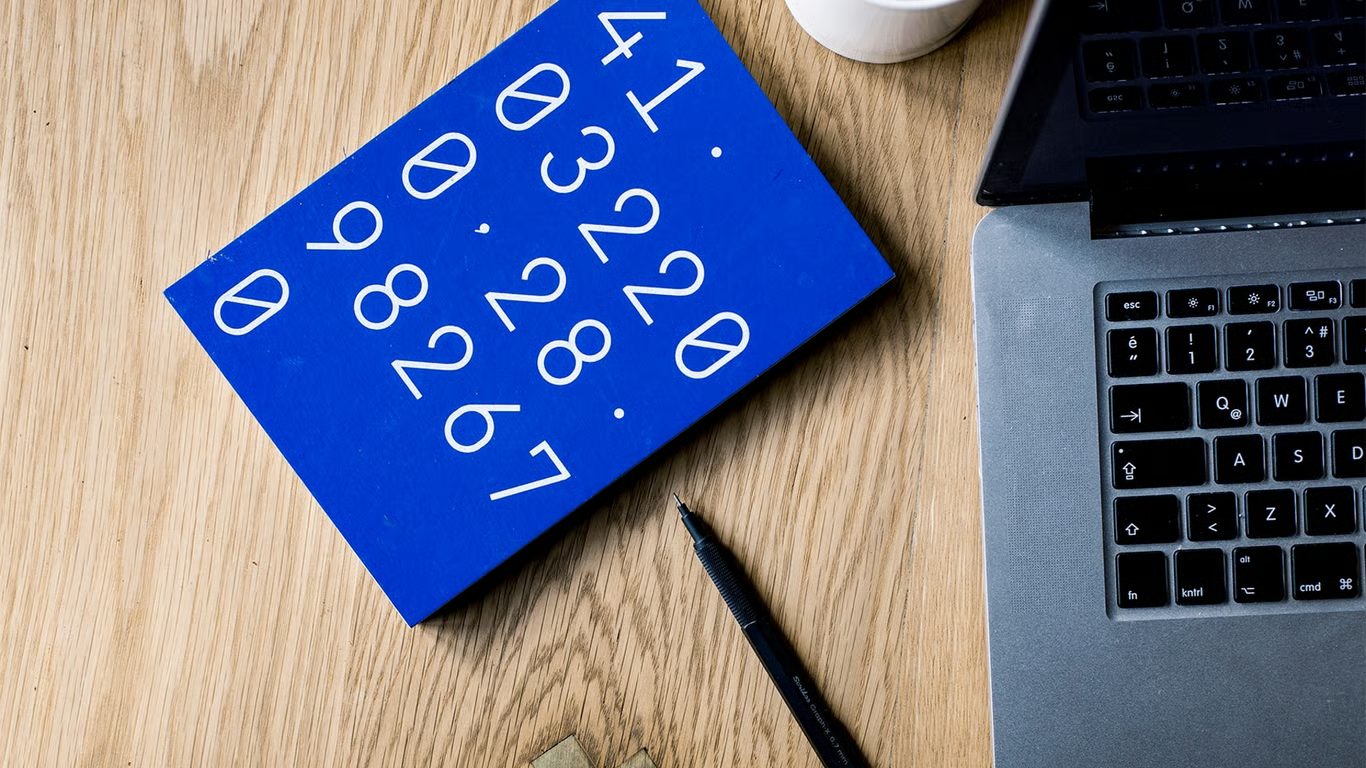
In this post we dive deeper into Python's formatting syntax, learning about displaying numbers in different bases. We also make a neat colour converter too!
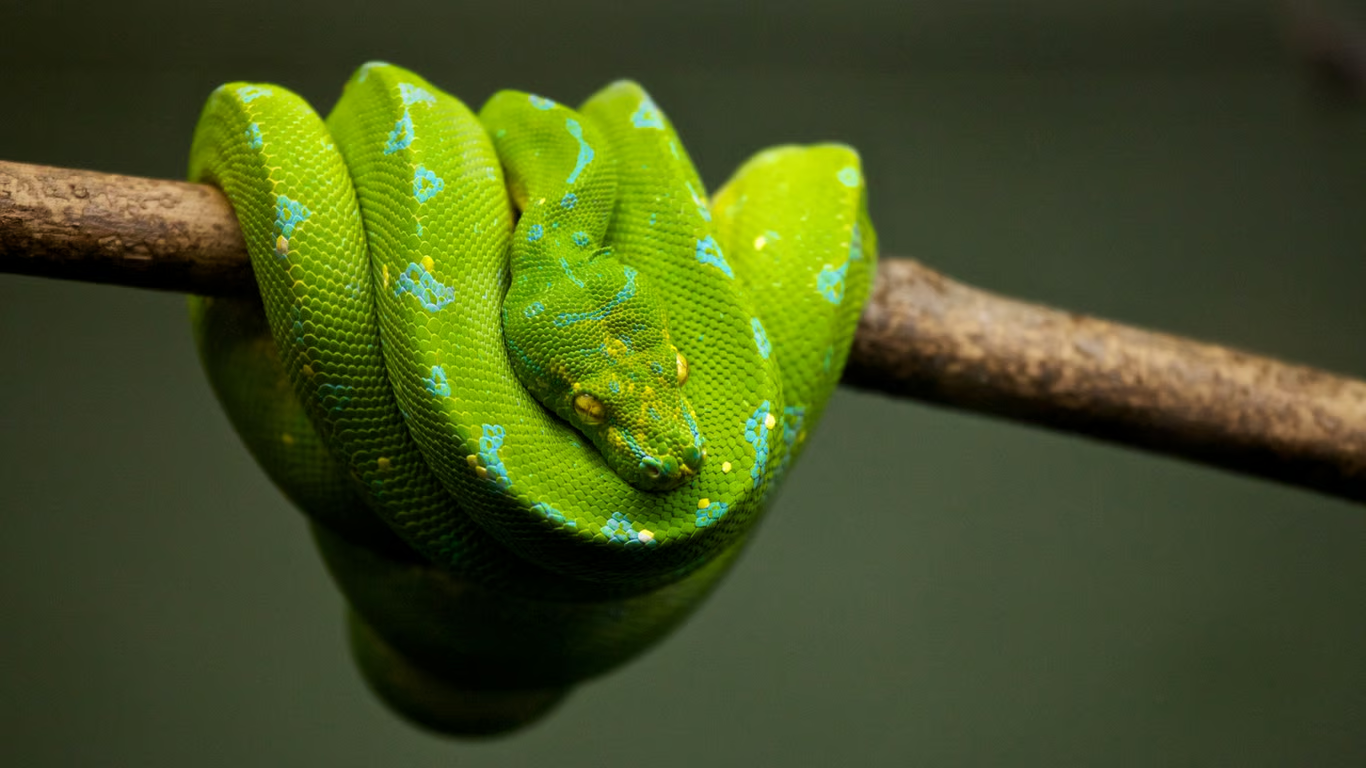
In this post we finish off our Snake game using Tkinter's Canvas widget. Learn how to move objects on the Canvas, delete them, or add more.

In this post we continue looking at formatting, this time exploring nested string interpolation, which we can use to dynamically set formatting options.

In this post we start work on recreating the popular arcade game, Snake, using Tkinter's versatile Canvas widget.
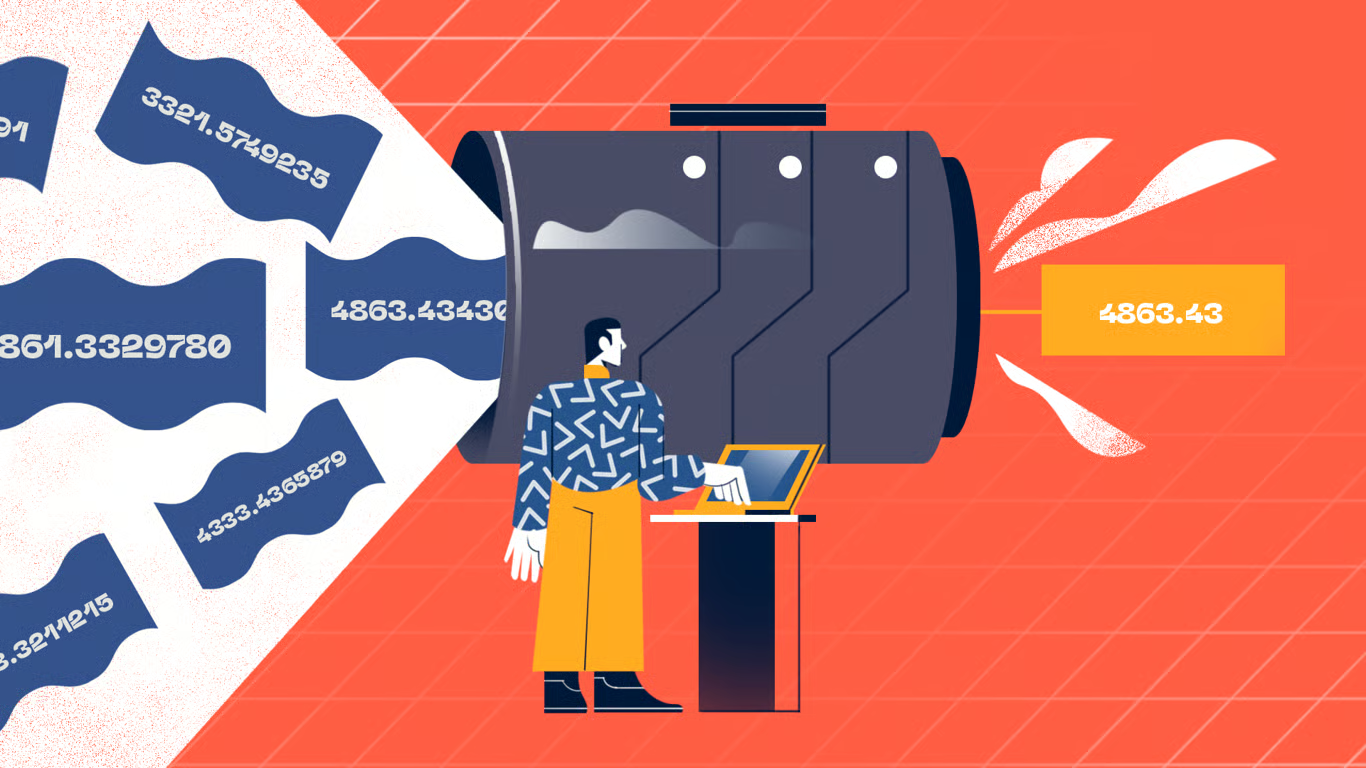
Learn how to leverage Python's detailed formatting language to control how numbers are displayed in your applications.

Decorators in Python can be a confusing topic, particularly for newer students. In this post we'll explain them from the ground up, including how they work, their syntax, and much more!

Learn about conditional statements in Python: a slightly obscure bit of syntax that allows for succinct conditional logic, particularly during assignments.